(Prime Minister of India)
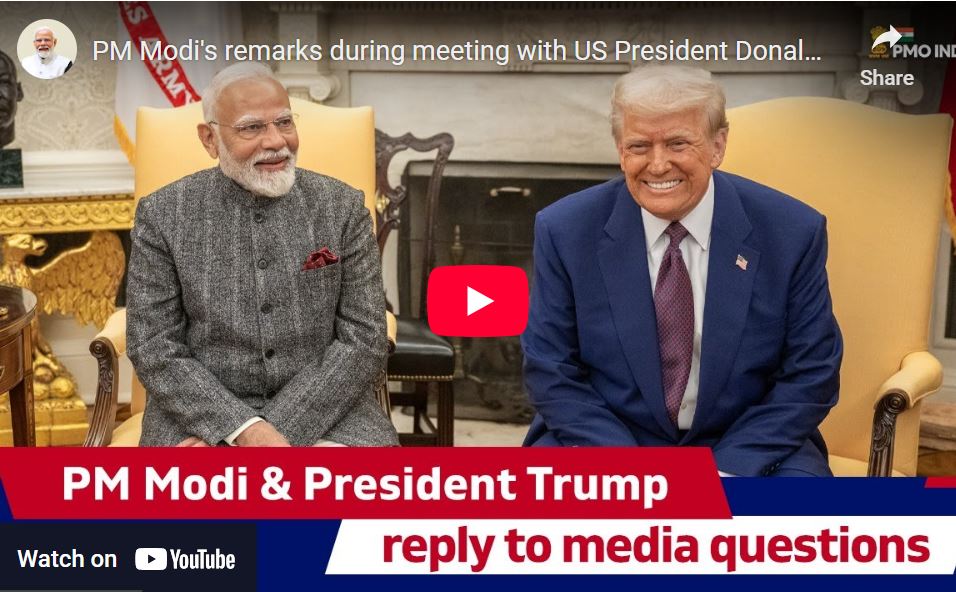
The India-US trade deal is a landmark in bilateral economic relations.
The recently concluded India-US trade deal is being hailed as a landmark in bilateral economic relations, promising tariff reductions, expanded market access, and deeper strategic alignment. Yet beneath the celebratory rhetoric lies a complex reality: India’s domestic FMCG sector faces heightened vulnerability, and its long-standing energy partnership with Russia risks erosion.
On the consumer front, the deal opens India’s vast market to American FMCG giants. Analysts note that mid-to-premium domestic brands - packaged foods, personal care, and nutraceuticals - will face sharper competition from US imports. Indian consumers in urban markets may shift towards international brands. For decades, Indian companies have thrived by mastering distribution networks and tailoring products to local tastes. But tariff relaxations and regulatory harmonisation may tilt the playing field. US firms, armed with global supply chains and aggressive pricing strategies, may capture urban consumers seeking premium international brands. The danger is not merely lost market share; it is the slow hollowing out of India’s FMCG ecosystem, which has been a backbone of employment and rural penetration. Unless Indian firms innovate, strengthen their rural advantage, and invest in brand loyalty, they risk being outpaced in their own backyard.
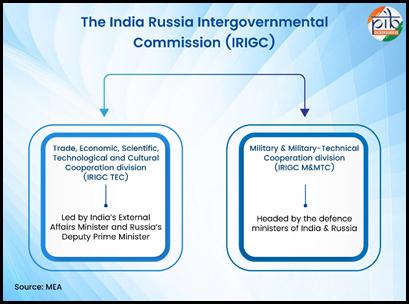
Equally pressing is the geopolitical dimension. India’s energy security has long leaned on discounted Russian crude, a relationship that also underpins defense and diplomatic ties. The US deal, however, implicitly nudges India to scale back Russian oil imports. This shift may please Washington but complicates New Delhi’s balancing act. Reduced Russian supplies could raise energy costs and stoke inflation, while Moscow may interpret the move as a breach of trust, pushing it closer to Beijing. For India, which prizes strategic autonomy, the optics of aligning too closely with Washington at Russia’s expense are fraught with risk.
The trade deal, then, is not a simple win. It is a gamble, one that offers export gains in textiles and jewelry but threatens domestic FMCG resilience and risks unsettling a critical energy partnership. India must tread carefully: protecting its consumer industries, diversifying energy sources without alienating Moscow, and ensuring that closer ties with Washington do not come at the cost of strategic independence.
In the end, the measure of this deal will not be in tariff tables or export figures, but in whether India can balance ambition abroad with stability at home.
(Gaurav Dua is editor-in-chief of The Pacific Insights)